
Kestra OSS authentication bypass: how to organise your response
A critical flaw in Kestra OSS lets an unauthenticated attacker run code, and CISA lists it as exploited. This article explains who is affected and how to organise the response.
PiLabs
PiLabs follows the CISA catalogue and the NVD and publishes summaries.
Latest vulnerabilities
News
A penetration test answers one narrow question well. This article explains what it covers, what it leaves out and what to agree in writing before the work starts.

This article was written automatically on 17 November 2026 from the information on this site and checked by automated rules; it was not reviewed by a person. Tell us if something is wrong
A penetration test, often called a pentest, is a controlled attack on your systems. A security engineer carries it out with your written agreement. Its aim is not to find every flaw. Its aim is to answer one question: can someone with a defined starting point reach something that matters? If you know this, you can buy the right test and read the result correctly.
The scope is the list of things the testers are allowed to examine. Typical subjects are:
The starting point matters as much as the scope. A test can start from the outside, like an unknown visitor on the internet. It can start from an ordinary user account, to see what a careless or dishonest user could reach. It can also start from inside your network, to see how far someone could go if one laptop were taken over. Each starting point answers a different question, so choose the one that matches your worry.
The result is a set of findings. Each should name the weakness, show the evidence, describe the impact and recommend a fix.
A penetration test is useful, but it has limits. Be clear about them before you rely on the result.
A test also does not replace vulnerability management. That is the routine work of finding out which of the vulnerabilities published every week affect the products you run. The test looks at your systems at one moment. Vulnerability management follows them all year.
A good test begins with a written agreement. Check that it states at least the following:
If your systems are run or hosted by another company, ask whether that company must also give permission. Do this before the test, not after.
A useful report serves two readers. The manager needs a short summary that says what matters and what to decide. The engineer needs detail: evidence, impact and a clear fix for each finding. Ask for both.
Findings should come in order of risk. Start with the ones that would let someone reach something important with little effort. Give each fix an owner and a date. Ask the testers to explain the findings in a conversation, not only in a document. Questions are easier to settle in a short meeting than in a long e-mail thread.
After the fixes are made, check them. A retest is the simplest way to confirm that a problem is really closed and that the fix did not open another one.
Pinet's cybersecurity consulting includes penetration testing of web applications, networks and cloud services, alongside security assessments and hardening plans, with a one-page summary and findings in order of risk. You can read more on the page Cybersecurity consulting at Pinet.
More
A critical flaw in Kestra OSS lets an unauthenticated attacker run code, and CISA lists it as exploited. This article explains who is affected and how to organise the response.

PiLabs follows the CISA catalogue of exploited vulnerabilities and the NVD entries for Cisco, Palo Alto Networks, VMware and i-PRO products, and summarises them.
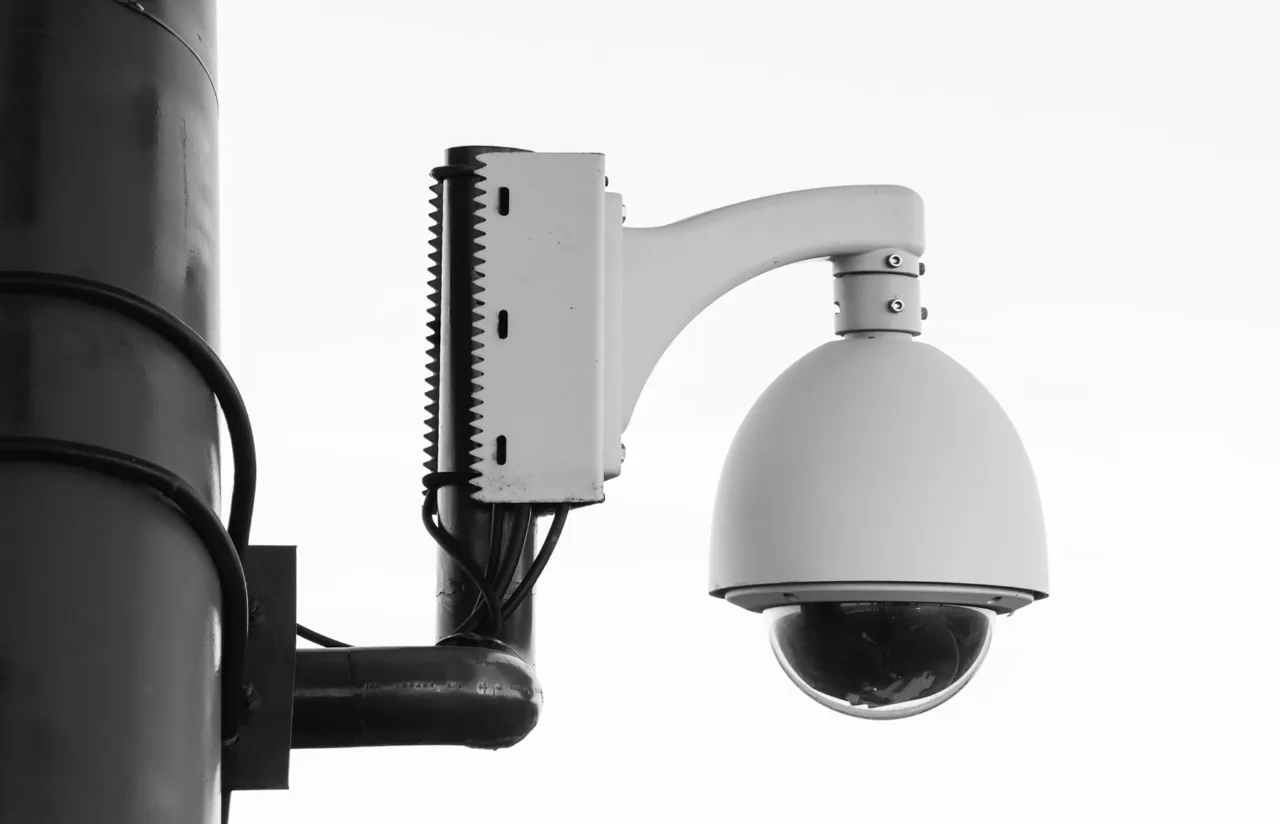
Public institutions can review i-PRO security cameras and recording products with their specifications in our DMO e-catalogue.
Write to us. A consultant will answer.