
What a penetration test covers, and what it leaves out
A penetration test answers one narrow question well. This article explains what it covers, what it leaves out and what to agree in writing before the work starts.
PiLabs
PiLabs follows the CISA catalogue and the NVD and publishes summaries.
Latest vulnerabilities
News
A critical flaw in Kestra OSS lets an unauthenticated attacker run code, and CISA lists it as exploited. This article explains who is affected and how to organise the response.

This article was written automatically on 17 November 2026 from the information on this site and checked by automated rules; it was not reviewed by a person. Tell us if something is wrong
If your organisation runs Kestra OSS, a security advisory published on 27 June 2026 needs your attention. This article explains it in plain terms, so that you can decide who checks what, and in which order. It does not contain technical details of the flaw. Those are on the advisory page.
The flaw is tracked as CVE-2026-49869. A CVE (Common Vulnerabilities and Exposures) identifier is a public reference number for one specific security weakness. The weakness is an authentication bypass in Kestra OSS, the open-source edition of the Kestra workflow platform. According to the sources, an unauthenticated remote attacker can use it to run code in the worker container. The worker is the part that carries out the tasks of your workflows.
The key facts are these:
The full summary is in the PiLabs advisory on CVE-2026-49869. It is a summary of public sources, not an independent test.
An authentication bypass means that a login check can be skipped. Remote code execution means that someone outside can make your system run instructions of their choosing. Together, and with no login needed, they describe a serious situation.
Workflow platforms are often trusted with a lot. They may hold access details for databases, file stores and other services, because their tasks need to reach them. A problem in the worker can therefore matter beyond the platform itself. The listing in the CISA catalogue means that exploitation has been observed. It is not only a theoretical risk.
How urgent this is for you depends on two things: whether you run an affected version, and who can reach the service over the network.
Treat this as a short, planned piece of work with clear owners.
If an outside company runs Kestra for you, or an internal team does, a few direct questions give you a clear picture:
Ask for written answers. They help if you need to report on the matter later, and they show where an owner is missing.
For the exact technical details, use the Kestra security advisory, the NVD (National Vulnerability Database) entry and the CISA Known Exploited Vulnerabilities catalogue. Pinet publishes summaries of public advisories on PiLabs, including the advisory on CVE-2026-49869, and offers cybersecurity consulting.
More
A penetration test answers one narrow question well. This article explains what it covers, what it leaves out and what to agree in writing before the work starts.

PiLabs follows the CISA catalogue of exploited vulnerabilities and the NVD entries for Cisco, Palo Alto Networks, VMware and i-PRO products, and summarises them.
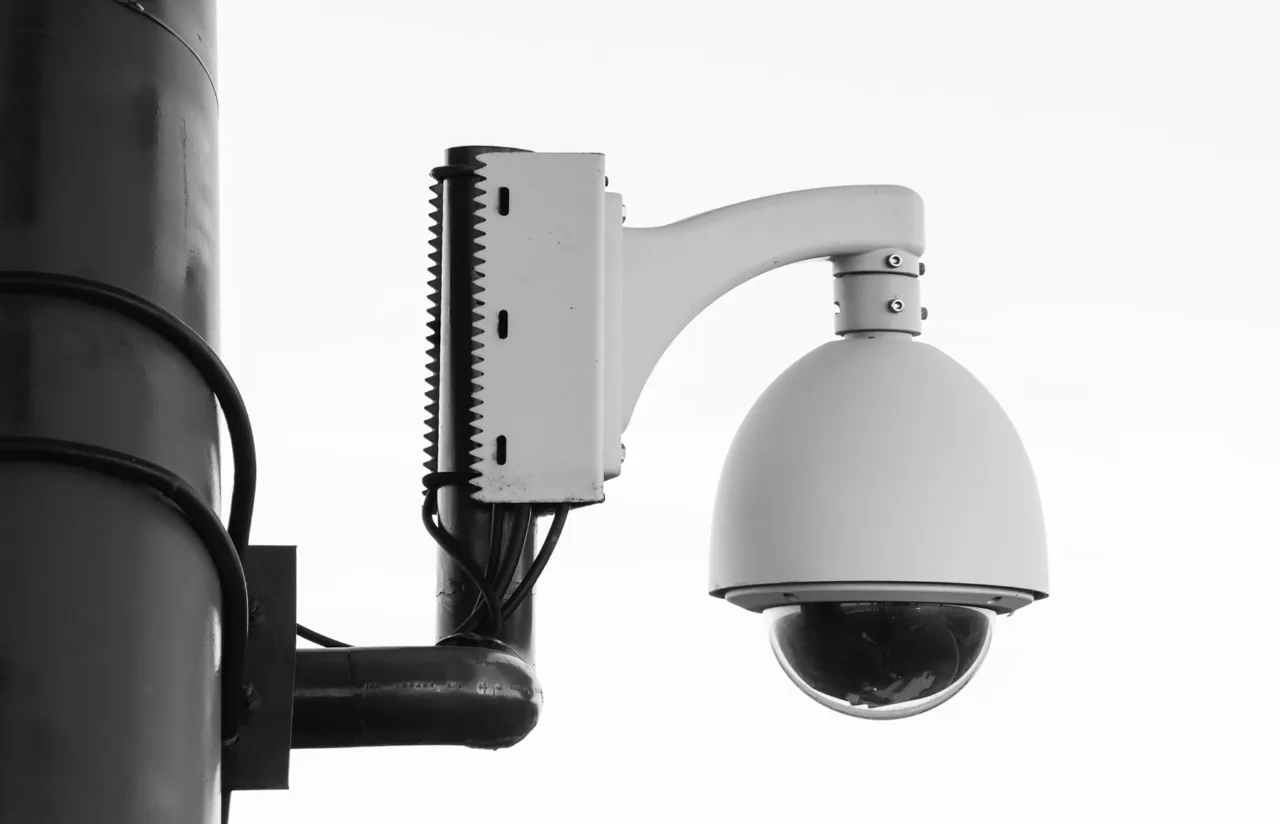
Public institutions can review i-PRO security cameras and recording products with their specifications in our DMO e-catalogue.
Write to us. A consultant will answer.